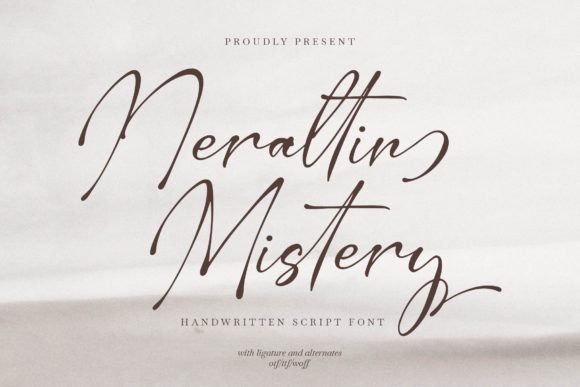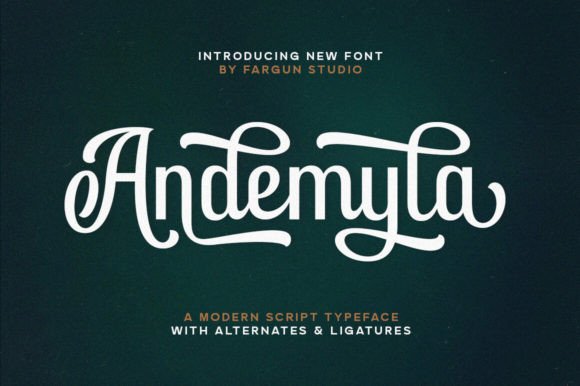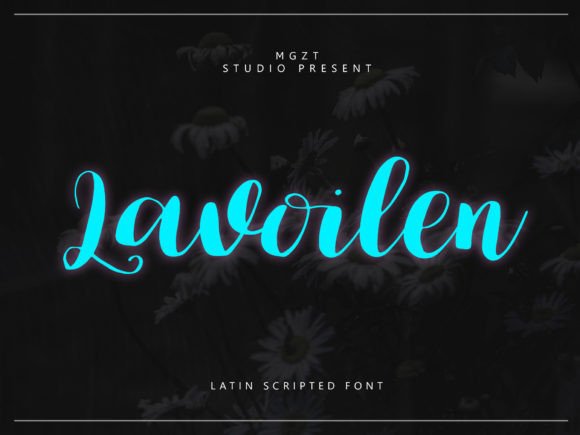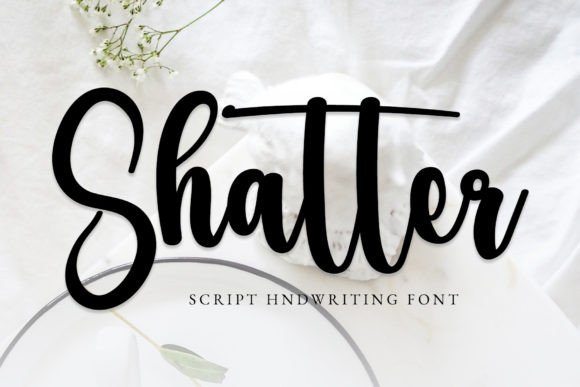
Integrating Julia Smith into Professional Design Workflows
In the realm of digital design and branding, the choice of typography often dictates the emotional resonance of a project. While sans-serif fonts dominate modern corporate interfaces for their clarity, there remains a distinct need for warmth, personality, and human connection in specific contexts. This is where Julia Smith enters the process. It is not merely a decorative typeface; it is a stylistic tool that bridges the gap between professional polish and handwritten authenticity. For professionals aged 20 to 50 who manage creative workflows, understanding how to integrate this elegant script font into broader business processes is essential for creating cohesive brand narratives.
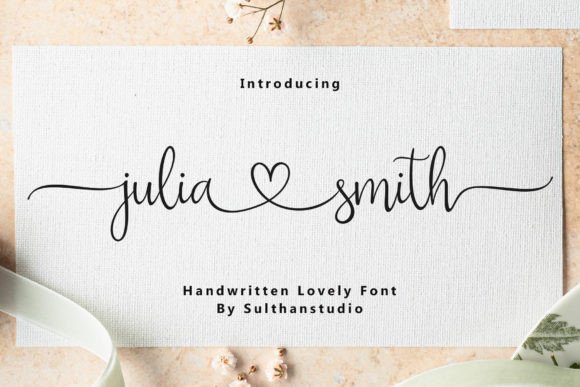
The primary function of Julia Smith lies in its ability to convey elegance without sacrificing legibility. Unlike many display scripts that are difficult to read at small sizes or require complex kerning adjustments, Julia Smith maintains a clean structure while mimicking the fluidity of a calligrapher's pen. When embedded correctly within a workflow, it serves as a high-impact accent rather than a distraction. Whether you are a freelancer designing a personal brand identity or an educator preparing course materials, the integration of this font requires a strategic approach to ensure it enhances the user experience rather than detracting from the core message.
Strategic Placement in the Creative Process
Successful implementation begins with knowing when to introduce Julia Smith into your design timeline. It is rarely appropriate for body text in long-form content or for critical navigation elements where speed of reading is paramount. Instead, its optimal placement occurs during the "emotional touchpoint" phase of a project. In a marketing campaign, for instance, this might be the moment a customer receives a welcome email or views a thank-you note after a purchase. In these scenarios, the font acts as a signal of care and attention to detail.
Consider the lifecycle of a wedding invitation suite or a greeting card product line. The process typically involves drafting the layout, selecting imagery, and finalizing the typographic hierarchy. Here, Julia Smith fits naturally into the header or signature areas. Using it for the main headline establishes a tone of sophistication immediately. However, if you attempt to use it for the RSVP details or address blocks, you risk introducing friction into the user's interaction with the document. The key is to reserve the script for moments where the viewer needs to pause and appreciate the sentiment.
For entrepreneurs and small business owners, this distinction is vital for maintaining efficiency. A well-planned workflow anticipates where visual variety will add value and where consistency is required. By defining the scope of Julia Smith early in the project brief, teams can avoid the common pitfall of over-designing. The goal is to create a harmonious balance where the script complements the structural elements of the design, such as geometric sans-serifs or classic serifs, rather than competing with them.
Integration with Brand Identity Systems
When building a brand identity, consistency is the cornerstone of recognition. Integrating Julia Smith into a logo or business card requires careful consideration of scalability and versatility. If you are designing a logo, the script should be used sparingly, perhaps as a monogram or a stylized name treatment. It works exceptionally well for businesses in the lifestyle, beauty, and artisanal sectors where the brand story relies on a personal touch.
To ensure compatibility across different media, designers must test the font in various weights and sizes. Julia Smith shines in print applications like business cards and letterheads, where the texture of the paper interacts with the curves of the letters. In digital environments, however, rendering can vary depending on the device. Therefore, it is crucial to verify that the font displays correctly on mobile screens before finalizing a web asset. This step ensures that the intended elegance is preserved regardless of the viewing platform.
- Logo Applications: Use for the brand name in vertical layouts or as a signature element alongside a simpler icon.
- Business Cards: Pair with a minimalist layout to let the script stand out as the focal point.
- Social Media Graphics: Apply to quote overlays or event announcements to add a human element to static images.
Workflow Efficiency and Technical Considerations
Beyond aesthetic choices, the practical implementation of any font involves technical preparation. Before downloading or purchasing Julia Smith, creators should assess their software environment. Most modern design tools support OpenType features, which can unlock ligatures and alternate characters that enhance the flow of the script. Understanding these features allows for a more refined output without manual intervention.
Organization is another critical factor in maintaining a smooth workflow. When working on large projects involving multiple assets, such as a full stationery suite or a series of marketing emails, keeping font files organized prevents version control issues. Ensure that the correct weight and style of Julia Smith are available in your library before starting the layout phase. This preparation reduces downtime and allows the creative team to focus on execution rather than troubleshooting missing glyphs.
Furthermore, consider the accessibility implications of using script fonts. While Julia Smith is highly readable compared to other cursive styles, it should not be used for critical information that requires immediate comprehension by all users, including those with dyslexia or visual impairments. A robust workflow includes a quality control check where the design is reviewed against accessibility standards. This might involve ensuring sufficient contrast between the script and the background and providing alternative text descriptions for screen readers.
Collaboration and Handoff Protocols
In collaborative environments, clear communication regarding typography is essential. When handing off a project to a developer or a print vendor, specifying the exact usage of Julia Smith prevents misinterpretation. Provide guidelines that outline where the font should be applied and where it should be avoided. This documentation serves as a reference point for all stakeholders, ensuring that the final product aligns with the original vision.
For remote teams, utilizing cloud-based asset management systems can streamline this process. Uploading the font files and design templates to a shared drive ensures that everyone is working with the latest versions. This practice minimizes errors related to font substitution, which can drastically alter the look and feel of a design. By establishing these protocols, teams can maintain high standards of quality and consistency throughout the production cycle.
Long-Term Value and Adaptability
The true value of a font like Julia Smith extends beyond a single project. Its timeless elegance makes it a versatile asset that can be reused across various campaigns and years without appearing dated. For bloggers and content creators, having a go-to script font simplifies the decision-making process for new posts or updates. It becomes a recognizable part of the author's voice, reinforcing brand identity over time.
As the digital landscape evolves, the demand for human-centric design continues to grow. Automation and AI-generated content can make interactions feel sterile; incorporating handwritten elements helps to counterbalance this trend. Julia Smith offers a way to inject personality into automated workflows, such as personalized email signatures or dynamic greeting messages. By leveraging this font strategically, businesses can foster stronger connections with their audience.
Ultimately, the successful integration of Julia Smith depends on a thoughtful approach to design and planning. It is not about applying a trend but about making intentional choices that serve the project's goals. Whether you are crafting a wedding invitation, designing a logo, or updating a website, the script provides a unique opportunity to elevate the visual narrative. By focusing on preparation, compatibility, and consistent application, professionals can harness the full potential of this elegant typeface to achieve outstanding results.
For those looking to refine their craft, experimenting with Julia Smith in low-stakes projects can provide valuable insights. Try pairing it with different typefaces to see how it balances visually. Test it in various contexts to understand its strengths and limitations. These practical exercises build confidence and deepen the understanding of how typography influences perception. As you incorporate these lessons into your routine, you will find that Julia Smith becomes an indispensable tool in your design arsenal, capable of delivering both style and substance.