Andemyla: Integrating a Dynamic Script Font into Modern Design Workflows
In the landscape of digital and print design, typography is rarely just about legibility; it is the primary vehicle for tone, emotion, and brand identity. For professionals ranging from wedding planners to startup founders, finding a typeface that balances artistic flair with functional reliability is often the most critical step in the creative process. This is where Andemyla enters the workflow. It is not merely a decorative font; it is a strategic asset designed to elevate specific types of projects through its unique combination of a dancing baseline and intricate decorative characters.
Understanding how to integrate Andemyla into your daily operations requires moving beyond simple aesthetic appreciation. You must consider how this fresh and modern script interacts with other design elements, how it performs across different mediums, and where it fits within your broader project timeline. Whether you are finalizing a business card or drafting a greeting card layout, the decision to use Andemyla impacts the entire production chain.
The Anatomy of Andemyla in a Professional Context
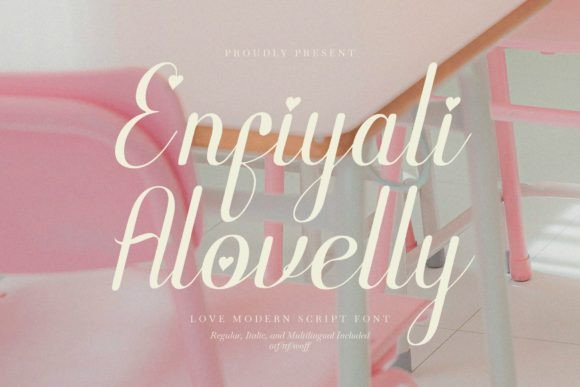
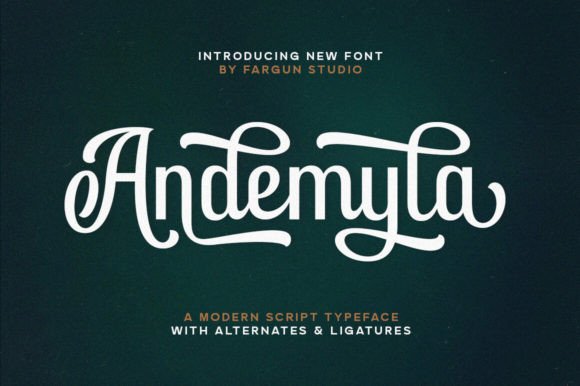
Before diving into implementation, it is essential to define what makes Andemyla distinct from standard script fonts. Unlike traditional calligraphy styles that rely on rigid grid lines, Andemyla features a dancing baseline. This characteristic introduces organic movement to the text, mimicking the natural rhythm of hand-lettering while maintaining the structural integrity required for professional output. The inclusion of decorative characters further enhances this effect, providing swashes and flourishes that can serve as focal points in a composition.
For designers and entrepreneurs, this distinction matters. When you select a font, you are selecting a set of rules for visual communication. Andemyla operates on a rule set that prioritizes elegance and fluidity. This makes it particularly effective for applications where the message needs to feel personal, artisanal, or celebratory. However, its versatility extends beyond just "pretty" designs. Because it is built as a modern script, it integrates well with contemporary sans-serif headers and serif body text, allowing it to function within complex typographic hierarchies rather than standing alone.
Strategic Placement in the Creative Process
Integrating Andemyla effectively depends heavily on the phase of your project. In the early stages of planning and mood boarding, this font serves as a directional tool. If you are developing a brand identity for a boutique handicraft business or a high-end event planner, introducing Andemyla into your initial concept sketches helps stakeholders visualize the emotional trajectory of the brand. It answers the question: Does this project feel warm and inviting, or cold and corporate? Andemyla immediately signals warmth and sophistication.
During the execution phase, the font becomes a practical component of the layout. Here, the focus shifts to technical compatibility and readability. When designing invitations or posters, the dancing baseline requires careful attention to line height and vertical spacing. A common mistake in the workflow is treating script fonts like block letters, ignoring the negative space created by the flourishes. To maintain efficiency, you should establish a style guide early on that defines the minimum size for Andemyla and the appropriate leading (line spacing) to prevent the decorative elements from colliding with adjacent text blocks.
Workflow Integration Across Different Media
The true value of Andemyla lies in its adaptability across various deliverables. A robust workflow involves ensuring consistency while adapting the font's application to the constraints of the medium. Below are specific scenarios where Andemyla demonstrates its utility in a professional setting.
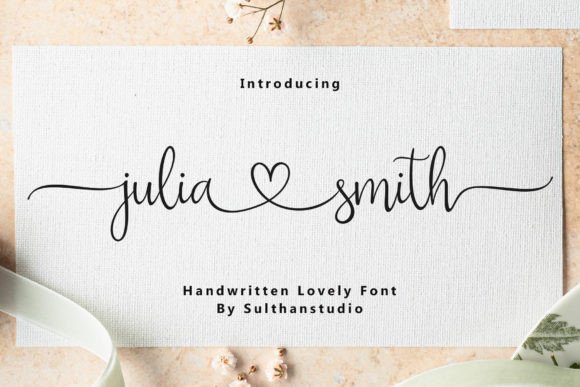
- Invitations and Greeting Cards: This is the primary domain for Andemyla. The font's decorative nature aligns perfectly with the tactile expectation of paper goods. In the production workflow, using Andemyla for the recipient's name or the event title creates an immediate sense of occasion. The key here is balance; use the script for headlines and pair it with a clean, highly legible sans-serif for the logistical details (time, location, RSVP instructions). This ensures the invitation remains beautiful without sacrificing clarity.
- Branding Materials and Business Cards: For small business owners and freelancers, a business card is often the first physical touchpoint with a client. Using Andemyla on a logo or a signature element adds a layer of exclusivity. However, caution is required regarding file formats and printing methods. If you are preparing files for offset printing, ensure that the thin strokes of the decorative characters are thick enough to survive the ink transfer process. Digital workflows allow for more experimentation with transparency effects, but print workflows demand strict adherence to stroke weight limits.
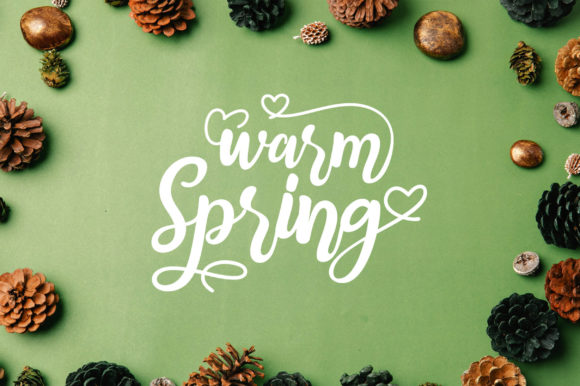
- Posters and Quotes: In marketing materials, Andemyla acts as a visual hook. When creating social media graphics or large-format posters, the dancing baseline draws the eye naturally across the image. For quote-based content, the font transforms generic text into an artistic statement. The workflow implication here is hierarchy; the quote should be the dominant element, supported by minimal secondary text. Overcrowding a poster with Andemyla can dilute its impact, so leave ample whitespace around the letterforms.
- Handicraft and Packaging: For artisans selling handmade goods, the font choice communicates the quality of the product. Andemyla's modern yet classic feel suggests that the product inside is crafted with care. In the packaging workflow, this font works exceptionally well on tags, labels, and wrapping paper. It bridges the gap between traditional craftsmanship and modern retail standards.
Compatibility and Technical Considerations
Successful implementation also relies on understanding how Andemyla interacts with other software tools and platforms. Most modern design suites handle OpenType features seamlessly, but older systems might struggle with the complex ligatures and alternate characters inherent to scripts like Andemyla. Before committing to a final design, test the font across different devices and browsers if the output will be viewed digitally. Ensure that the decorative characters render correctly on mobile screens, where screen real estate is limited.
Furthermore, consider the color palette. Script fonts often lose their definition when placed against busy backgrounds or low-contrast colors. In your quality control phase, always review the final design at 100% zoom to check for any bleeding of decorative elements. If the background is textured, such as watercolor or kraft paper, ensure the text color has sufficient contrast to remain legible. The goal is to enhance the texture, not get lost in it.
Optimizing Efficiency and Consistency
For productivity-minded users and agencies managing multiple clients, consistency is paramount. Relying on Andemyla across a suite of materials—from email signatures to presentation decks—creates a cohesive brand narrative. To achieve this efficiently, create a master template or a preset library within your design software. Define the specific weights, sizes, and kerning settings for Andemyla so that every team member uses the same parameters.
This approach reduces decision fatigue and speeds up the turnaround time for projects. Instead of manually adjusting the baseline or character spacing for every new document, you apply a pre-configured style. This is particularly useful for educators and bloggers who need to produce consistent content calendars. By establishing a standard for Andemyla usage, you ensure that every piece of content, whether it is a blog header or a downloadable worksheet, maintains a unified voice.
Long-Term Viability and Future-Proofing
When selecting a font for long-term branding, it is important to ask if the style will age well. Trends in typography come and go, but Andemyla's blend of modern structure with classical script influences gives it a timeless quality. It avoids the overly trendy look of some contemporary scripts that may feel dated in two years. This longevity makes it a smart investment for businesses looking to build a lasting identity.
To future-proof your designs, avoid over-reliance on the decorative aspects. Use the core letterforms for essential information and reserve the swashes for accentuation. This strategy ensures that even if the trend shifts towards minimalism, your foundational text remains strong and readable. Additionally, keep your font files updated and backed up. As design software evolves, having the latest version of Andemyla ensures access to new glyphs and improved rendering engines.
Conclusion: Making Andemyla Work for Your Vision
Ultimately, the integration of Andemyla into your workflow is about making intentional choices that support your goals. It is a tool that demands respect for its unique characteristics—the dancing baseline and the decorative flourishes—but rewards that respect with exceptional visual results. By approaching Andemyla with a clear plan, considering its technical requirements, and applying it strategically across your projects, you can transform ordinary designs into memorable experiences.
Whether you are crafting a bespoke invitation, launching a new brand, or simply adding a touch of elegance to your daily communications, Andemyla offers the flexibility and beauty needed to stand out. Focus on the balance between artistry and functionality, and let the font do the heavy lifting in conveying your message with grace and precision.