Usually: A Comprehensive Evaluation of the Elegant Script Font
In the landscape of digital and print typography, selecting the right typeface is a critical decision that defines the visual tone of a project. Among the myriad of options available, Usually has emerged as a distinct choice for designers seeking a balance between sophistication and approachability. This article provides an objective analysis of the font, exploring its characteristics, ideal applications, and the practical considerations involved in integrating it into professional workflows.
Understanding the Design Characteristics of Usually
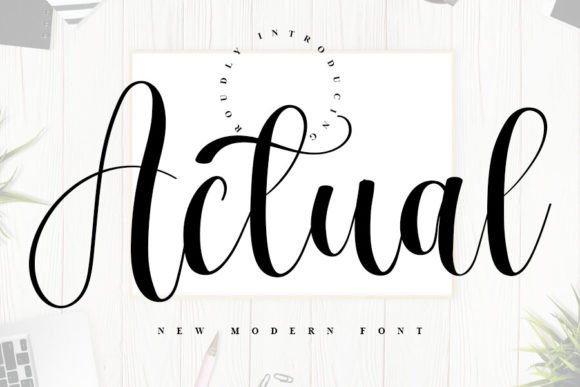
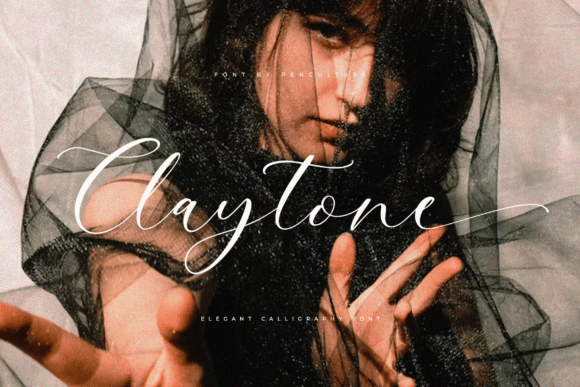
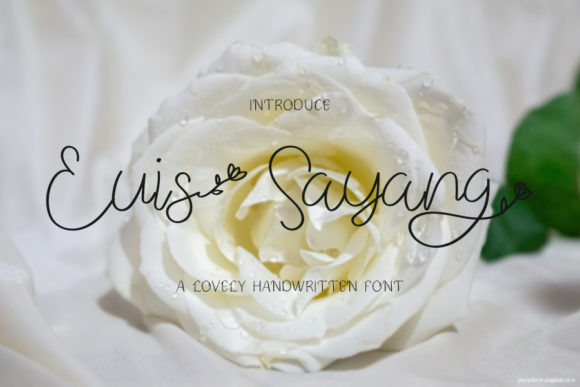
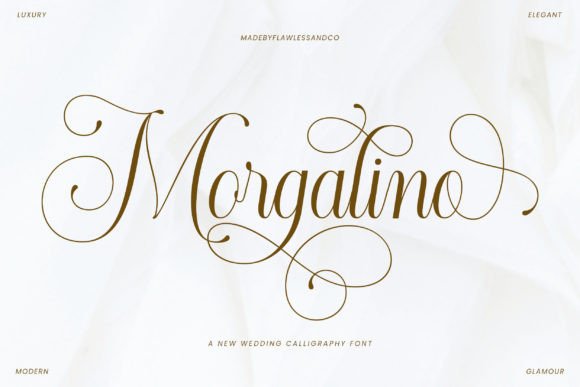
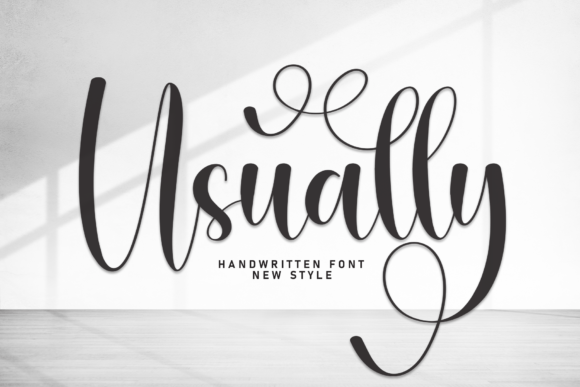
Usually is classified as a stylish script font designed to mimic the fluidity of handwritten calligraphy while maintaining the structural integrity required for digital reproduction. Unlike rigid serif or sans-serif typefaces, script fonts rely on connected strokes and varying line weights to create a sense of movement. The design of Usually specifically targets a high-end aesthetic, featuring elegant ligatures and smooth transitions between characters.
The visual identity of this typeface is defined by its "handwritten touch." It does not attempt to replicate the erratic nature of casual scribbling; rather, it offers a curated version of cursive writing that feels personal yet polished. The stroke contrast—the difference between thick downstrokes and thin upstrokes—gives the letters a dynamic rhythm. This quality makes it particularly effective for branding and editorial work where personality is paramount.
Primary Applications and Use Cases
Designers typically evaluate Usually for projects that require an immediate emotional connection with the audience. Its versatility allows it to function effectively across several specific mediums:
- Wedding Invitations: The most common application for this font is in wedding stationery. The elegance of Usually conveys formality and romance without appearing archaic. It pairs well with minimalist layouts, allowing the text to serve as the focal point.
- Thank You Cards and Greeting Cards: For personal correspondence, the handwritten style adds a layer of sincerity. Using Usually here helps bridge the gap between mass-produced templates and truly custom designs.
- Logos and Branding: While scripts can be challenging for logo legibility, Usually offers a unique opportunity for lifestyle brands, boutiques, and creative agencies to establish a sophisticated identity.
- Business Cards: When used sparingly, perhaps only for the name or title, it can elevate a standard business card from functional to memorable.
- Quotes and Social Media Graphics: The aesthetic appeal of the font makes it suitable for short phrases or pull quotes in digital marketing materials.
Benefits of Integrating Usually into Your Design
There are several compelling reasons to select Usually over other script options. The primary advantage lies in its ability to convey luxury and attention to detail. In a market saturated with generic sans-serif fonts, a well-executed script like Usually stands out immediately.
Furthermore, the font's design ensures readability within its genre. Many script fonts sacrifice legibility for artistic flair, but Usually maintains a clear structure that prevents the text from becoming illegible at smaller sizes or lower resolutions. This balance is crucial for commercial applications where clarity cannot be compromised.
Another significant benefit is the emotional resonance it creates. Typography is often subconscious; a reader may not consciously notice the font choice, but they will feel the mood it sets. Usually evokes feelings of warmth, exclusivity, and human connection, which are essential traits for businesses aiming to build strong relationships with their clients.
Tradeoffs and Practical Considerations
While the advantages are clear, incorporating Usually requires careful consideration of potential drawbacks. The most significant tradeoff is legibility in long-form text. Script fonts are generally unsuitable for body copy, paragraphs, or dense information blocks. The complexity of the letterforms can cause eye fatigue when reading extended passages.
Additionally, there is a risk of perceived informality if the font is misused. If Usually is applied to a corporate financial report or a technical manual, it may undermine the authority of the content. Designers must ensure that the context matches the tone of the typeface. Overuse is another pitfall; using the script for every element on a page can result in a chaotic visual hierarchy.
Technical compatibility is also a factor to consider. Depending on the file format (OTF vs. TTF) and the software being used, some advanced features like contextual alternates or swashes might not render correctly. It is advisable to test the font in the final output environment before committing to a large-scale project.
Situations Where Usually Is a Strong Fit
This typeface is an excellent choice when the goal is to highlight specific elements rather than convey large amounts of data. It excels in situations where the message is short, emotional, and visually driven. For example, a header on a landing page for a boutique hotel or a headline for a fashion magazine cover would leverage the strengths of Usually perfectly. It is also ideal for projects targeting demographics that value tradition, craftsmanship, or personal service.
Situations Where Alternatives May Be Worth Considering
If the project requires high-volume text, such as a book interior, a user manual, or a news website, alternatives like a clean serif or a neutral sans-serif are more appropriate. Similarly, if the brand identity needs to appear modern, tech-forward, or strictly utilitarian, the ornate nature of Usually might clash with the desired image. In these cases, a geometric sans-serif or a structured slab serif would provide better alignment with the brand goals.
Practical Decision-Making Insights
To determine whether Usually aligns with your specific needs, consider the following evaluation framework:
- Define the Hierarchy: Decide if the text will serve as a headline or body copy. If it is primarily for headlines, the font is likely a viable candidate.
- Analyze the Audience: Does your target demographic respond to traditional elegance? If yes, Usually is a strong contender.
- Assess the Medium: Will the design be viewed on mobile screens? Ensure the font retains its character at small sizes. If legibility becomes an issue, scaling back usage or choosing a simpler variant is necessary.
- Test Pairings: A script font rarely works alone. Evaluate how Usually interacts with your chosen sans-serif or serif pairing. The contrast should enhance readability, not compete with it.
Conclusion
Selecting a typeface is a strategic decision that impacts the success of a design project. Usually offers a refined solution for designers looking to inject elegance and a human touch into their work. Its strength lies in its ability to communicate sophistication through a handwritten aesthetic. However, like any tool, its effectiveness depends on proper application. By understanding its limitations regarding body text and ensuring it fits the broader brand narrative, designers can utilize Usually to create impactful, memorable, and aesthetically pleasing results.
For those prioritizing visual impact over information density, and who seek a font that bridges the gap between formal and personal, Usually remains a highly competitive option in the current typographic market.