Claytone Script Font Evaluation
In the landscape of digital typography, selecting the right typeface is often a balancing act between aesthetic appeal and functional utility. Claytone has emerged as a sophisticated script calligraphy font designed to elevate creative projects through its distinct visual character. Unlike standard cursive fonts that often prioritize speed over style, Claytone is meticulously crafted to offer a blend of elegance and personality. This evaluation explores the specific attributes of the font, analyzing who it serves best, where it fits within a design workflow, and what designers should consider before integrating it into their toolkit.
Understanding the Typography of Claytone
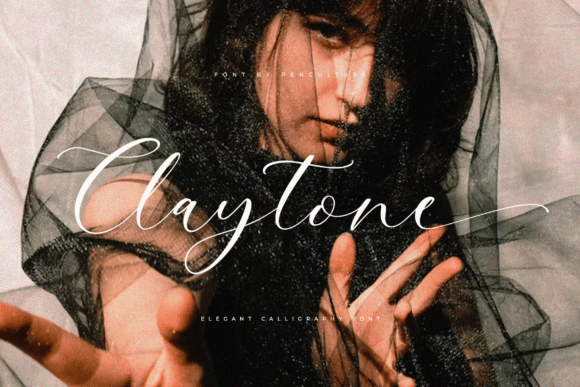
At its core, Claytone is a script typeface defined by its fluid strokes and refined structure. The font distinguishes itself through features such as elegant tails and unique ligatures. In typography, ligatures are special characters that combine two or more letters into a single glyph, smoothing the transition between them. These elements prevent the disjointed look common in many digital scripts, resulting in text that flows naturally, mimicking the hand of an experienced calligrapher.
The design philosophy behind Claytone focuses on consistency. Each character is constructed with attention to detail to ensure that the weight, curvature, and spacing remain uniform across different applications. This meticulous crafting ensures that the font does not appear erratic or unpolished when scaled up for large formats or scaled down for body text. The result is a typeface that brings a graceful and polished look to any text, maintaining high-quality standards regardless of the medium.
Key Benefits for Designers
Designers often seek out Claytone to introduce a sense of refinement that sans-serif or serif block fonts cannot easily replicate. The primary advantage of using this font lies in its ability to convey emotion and tone without relying on imagery. A script font like Claytone can instantly shift the mood of a project from corporate and rigid to personal and inviting.
- Elevated Aesthetics: The unique ligatures and flowing tails add a layer of complexity that makes designs feel bespoke rather than templated.
- Versatility in Style: While rooted in calligraphy, Claytone is versatile enough to work with modern layouts, bridging the gap between traditional craftsmanship and contemporary design.
- Brand Personality: For brands aiming to communicate luxury, care, or human connection, Claytone provides a visual shorthand that aligns with these values.
Furthermore, the font's consistent beauty reduces the need for manual kerning adjustments in many cases. Because the letterforms are pre-engineered to interact well with one another, designers can save time during the layout phase while still achieving a high-end finish.
Ideal Use Cases and Applications
Determining the right context for Claytone is crucial for maximizing its impact. The font excels in scenarios where emotional resonance and visual sophistication are paramount. It is particularly well-suited for the following applications:
- Wedding Invitations: The romantic and formal nature of weddings pairs naturally with script typography. Claytone's elegant tails create a sense of ceremony and grace appropriate for invitations, place cards, and signage.
- Logo Design: For businesses in the lifestyle, fashion, or artisanal sectors, Claytone can serve as the foundation for a logo. Its unique character helps establish a memorable brand identity that stands out in crowded marketplaces.
- Branding Materials: Business cards, letterheads, and packaging benefit from the font's polished look. It adds a touch of exclusivity that elevates the perceived value of the product or service.
- Editorial and Print Media: Headlines in magazines, brochures, or book covers can utilize Claytone to draw the reader's eye and set a sophisticated tone for the content.
Tradeoffs and Considerations
While Claytone offers significant aesthetic advantages, it is not a universal solution. Designers must be aware of the limitations inherent in script typefaces to avoid compromising readability or functionality.
Readability Constraints: The primary tradeoff of using Claytone is legibility at small sizes or in dense blocks of text. The decorative nature of the ligatures and the fluidity of the strokes can make extended reading difficult. Consequently, it is generally unsuitable for long-form body copy, technical documentation, or user interface text where clarity is the priority.
Contextual Mismatch: The font carries a specific emotional weight. Using Claytone in contexts requiring authority, sterility, or extreme minimalism (such as medical equipment manuals or industrial safety signage) may send mixed signals. The "refinement" it offers can sometimes be perceived as overly ornate if not balanced correctly with other design elements.
File Size and Compatibility: High-quality script fonts with extensive ligature sets can sometimes have larger file sizes compared to basic sans-serif fonts. Additionally, older software versions or certain web environments may not support advanced OpenType features, potentially rendering the ligatures as standard character combinations unless proper CSS or font embedding techniques are used.
When to Consider Alternatives
There are situations where Claytone, despite its quality, may not be the optimal choice. If a project requires a neutral, invisible typeface that lets the content speak without stylistic interference, a geometric sans-serif or a classic serif would be a better fit. Similarly, if the target audience includes users with visual impairments or dyslexia, the complex curves of script fonts can present accessibility barriers.
For branding projects that require a modern, tech-forward image, alternatives like clean, mono-spaced, or brutalist typefaces might align better with the desired message. In these cases, the "graceful" nature of Claytone could undermine the goal of appearing innovative or utilitarian.
Practical Decision-Making Insights
To determine whether Claytone aligns with your specific goals, consider the following decision framework:
- Define the Emotional Goal: Ask yourself what feeling you want the viewer to experience. If the answer involves elegance, tradition, or personal touch, Claytone is a strong candidate.
- Analyze the Content Volume: If the text is limited to headlines, names, or short phrases, the font will shine. If the text is lengthy, plan to pair Claytone with a highly legible secondary font for body copy.
- Test Across Mediums: Preview the font in both digital and print formats. Check how the tails and ligatures render on mobile screens versus high-resolution paper.
- Evaluate Brand Consistency: Ensure that the script style matches the rest of your visual identity. A mismatched font can make a brand look disjointed rather than curated.
Ultimately, Claytone is an essential addition to a designer's toolkit for those seeking to inject character into their work. By understanding its strengths in creating stunning wedding invitations, captivating logos, and stylish branding materials, and acknowledging its limitations regarding readability, designers can make informed choices. When used strategically, it transforms simple text into a polished design element that leaves a lasting impression.