Andicha: The Refined Script That Elevates Your Brand Without the Fluff
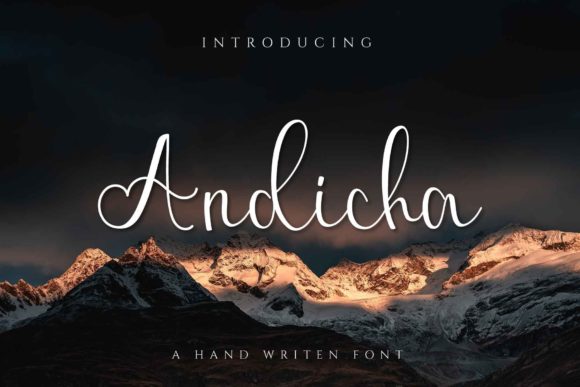
If you have ever scrolled through a social media feed or opened an email invitation and felt that something was just slightly "off," you likely encountered a font choice that lacked character. In the world of visual communication, typeface is not merely about readability; it is the voice of your design. This is where Andicha steps in as a powerful tool for designers, entrepreneurs, and creatives who need to convey sophistication without sacrificing modernity. Andicha is a beautiful and refined script font that bridges the gap between classic elegance and contemporary style.
However, simply downloading a font file does not guarantee a successful project. Many users rush into using decorative scripts like Andicha without understanding their specific strengths or limitations. This often leads to designs that feel cluttered, hard to read, or inconsistent with the brand message. To get the most out of this versatile typeface, you need to look beyond the download button and understand how to integrate it effectively into your workflow.
Understanding the Unique Character of Andicha
Andicha is more than just a collection of cursive letters; it is a carefully crafted digital asset designed to bring a sense of class and refinement to any project. Its structure features smooth curves and distinct ligatures that mimic the flow of hand-lettering while maintaining the precision required for screen and print media. Whether you are creating a wedding invitation suite, a luxury logo for a boutique, or a high-end social media graphic, Andicha offers a classy, elegant, and modern look that resonates with audiences seeking quality.
The appeal of Andicha lies in its balance. Unlike some script fonts that lean too heavily into ornate flourishes, making them difficult to use in body text, Andicha maintains a clean profile. This makes it particularly suitable for headlines, logos, and short phrases where impact is key. It allows creators to communicate a premium feel instantly. When used correctly, it transforms a plain layout into a polished piece of art, elevating the perceived value of the content it accompanies.
Common Pitfalls When Using Decorative Scripts
Even experienced designers can stumble when introducing a script font like Andicha into a project. One of the most frequent mistakes is overusing the typeface. Because Andicha is visually striking, there is a temptation to apply it everywhere. However, using it for long paragraphs of body text is a recipe for disaster. The human eye struggles to process complex cursive shapes at small sizes or in large blocks, leading to fatigue and reduced comprehension.
Another critical error involves pairing Andicha with incompatible typefaces. A common misconception is that any sans-serif font will work well next to a script. While many pairings exist, choosing a font with conflicting weights or styles can create visual tension. If the supporting text is too bold or too delicate, it may compete with Andicha rather than complement it. This imbalance can make a design feel disjointed and unprofessional, undermining the very elegance the font is meant to provide.
Furthermore, many users overlook the importance of kerning and spacing. Script fonts rely heavily on the relationship between characters to appear natural. If the spacing is too tight, the letters may merge into an unreadable blob. If it is too loose, the connection between strokes breaks, and the fluidity of the script is lost. Neglecting these details can turn a beautiful font into a source of confusion, forcing your audience to squint or guess what is written.
Strategic Applications for Maximum Impact
To avoid these pitfalls, consider the context of your project before applying Andicha. For branding and logos, this font excels because it allows for instant recognition of a high-end identity. Imagine a wedding stationery line or a luxury skincare brand; the flowing lines of Andicha suggest care, attention to detail, and exclusivity. In these scenarios, the font should be the star, supported by minimalistic elements that let the typography shine.
For social media posts and marketing materials, Andicha is ideal for headers, pull quotes, or call-to-action buttons. It draws the eye immediately and sets a tone of sophistication. However, always ensure that the background provides sufficient contrast. A light script on a white background may look soft and elegant, but it might fail to grab attention on mobile devices where visibility is paramount. Conversely, a dark script on a busy image can become illegible. Always test your designs across different screens and lighting conditions.
When creating invitations or stationery, the emotional resonance of Andicha is unmatched. It conveys warmth and personal touch, which is essential for events like weddings, anniversaries, or exclusive parties. Yet, even here, simplicity is key. Do not clutter the page with excessive decorations around the text. Let the font do the heavy lifting. Use ample whitespace to give the letters room to breathe, ensuring that every curve and flourish is visible and appreciated.
Practical Steps for Successful Implementation
Before finalizing any design, take a moment to evaluate your choices against practical criteria. First, check the legibility of Andicha at the intended size. Zoom out and view your design from a distance. Does the message come across clearly? If not, adjust the weight or spacing. Second, review your color palette. Ensure that the chosen colors enhance the readability of the script without clashing. Third, verify the licensing terms. Andicha is a commercial asset, and using it without the proper license can lead to legal issues and financial penalties for your business.
It is also wise to compare Andicha with other options in your library. Sometimes, a slightly different script might suit a specific project better. Look at the x-height, the stroke contrast, and the overall mood of the font family. Does it align with your brand guidelines? Are the ligatures consistent? By taking a methodical approach, you can ensure that Andicha serves your goals rather than complicating them.
Finally, remember that good design is about solving problems. If your goal is to communicate a clear message quickly, Andicha might be the perfect solution for your headline but a poor choice for your instructions. By recognizing the specific role this font plays in your design hierarchy, you can avoid the common traps of misapplication. Use it to add flair, emotion, and style where it matters most, and reserve simpler fonts for the functional parts of your content.
In conclusion, Andicha is a versatile and beautiful asset for anyone looking to elevate their visual communication. By understanding its strengths, avoiding common usage errors, and applying it with intention, you can create designs that are not only aesthetically pleasing but also effective in achieving your objectives. Whether you are a seasoned professional or a beginner exploring the world of typography, mastering the use of Andicha will significantly enhance the quality and impact of your work.