Christopher s: The Elegant Script That Transforms Your Designs
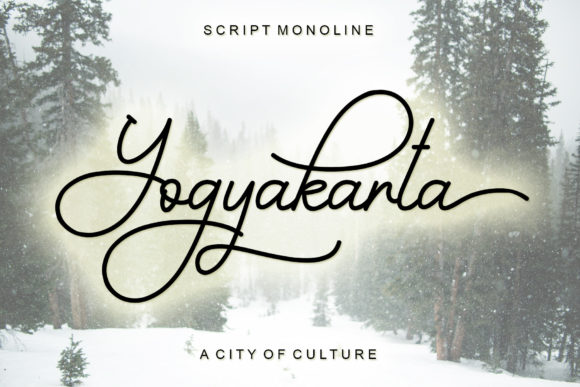
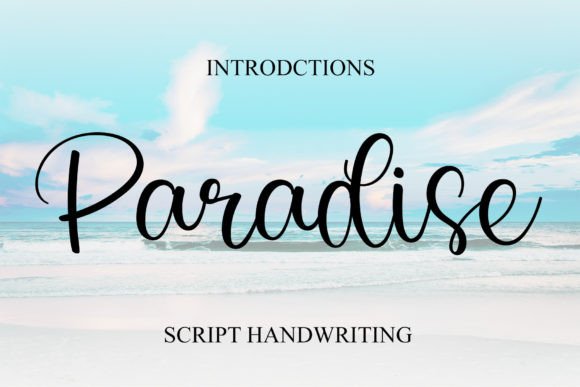
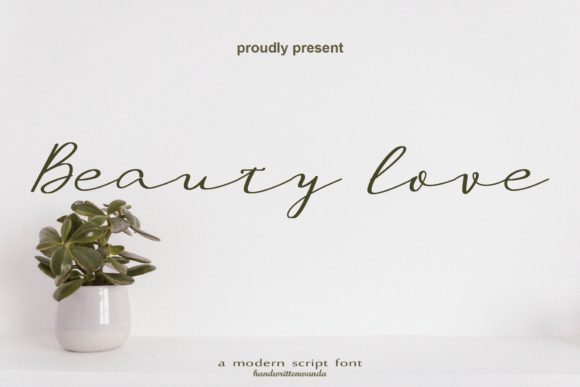
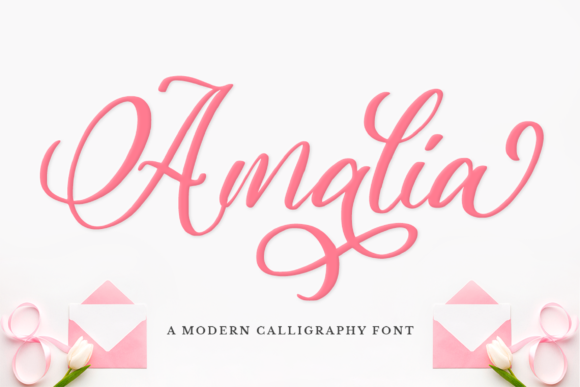
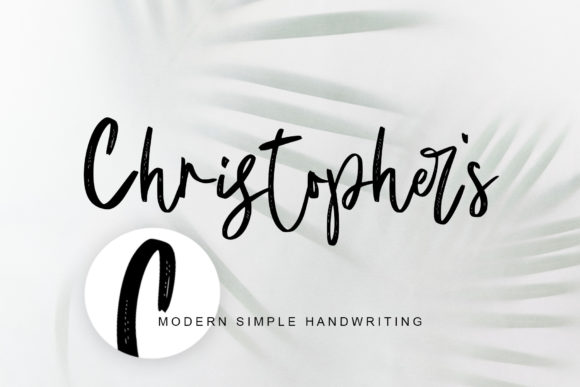
When you are staring at a blank canvas, whether it is a digital mockup for a wedding invitation or a logo concept for a new boutique, the difference between a good design and a great one often comes down to a single element. That element is type. Specifically, the choice of a script that feels authentic, fluid, and deeply personal. Christopher s is an elegant and cursive script font that looks stunning on wedding invitations, thank you cards, quotes, greeting cards, logos, business cards, and every other design which needs a handwritten touch.
However, simply downloading a beautiful-looking file does not guarantee success. Many creators fall into the trap of assuming all scripts behave the same way, leading to designs that look cluttered, unreadable, or technically flawed. Understanding the specific mechanics of Christopher s can save you hours of frustration and ensure your final output matches the high standards you expect.
The Allure of Handwritten Authenticity
In a world dominated by rigid, geometric sans-serifs, there is a growing demand for warmth. People crave connection, and nothing communicates personal care quite like a font that mimics the human hand. Christopher s captures this essence perfectly. Its strokes vary in weight with a natural rhythm, creating a sense of movement that static fonts simply cannot replicate.
This versatility makes it a favorite among small business owners and entrepreneurs who want to add a premium feel to their branding without sacrificing readability. Imagine a luxury skincare brand using this script for their product labels; the elegance elevates the perceived value instantly. Yet, this power comes with responsibility. If you treat a script font as if it were a standard body text, you risk undermining the very aesthetic you are trying to achieve.
Common Pitfalls in Selection and Usage
One of the most frequent mistakes designers make is overlooking the technical encoding of a font before purchasing or installing it. Not all script fonts are created equal when it comes to accessibility. Some require complex third-party software to access their full range of characters, while others offer a limited set out of the box. This limitation can be a dealbreaker for professional projects where consistency is key.
If you choose a script that lacks comprehensive glyph support, you may find yourself unable to type certain punctuation marks, numbers, or decorative elements. This forces you to manually insert symbols or use workarounds that break the flow of the design. In the case of Christopher s, this issue is largely mitigated, but it is crucial to verify the specifications before committing to any font family. Always check if the font supports the specific language or character set you need for your project.
Another significant error involves ignoring the PUA (Private Use Area) encoding. While many modern systems handle standard Unicode well, advanced typographic features often rely on the PUA space to access special swashes, ligatures, and alternate characters. Without proper PUA support, your design might look incomplete. You might see a missing flourish or a disconnected letter that ruins the illusion of handwriting. Ensuring your software environment supports these advanced features is non-negotiable for a polished result.
Maximizing the Potential of PUA Encoding
Christopher s is PUA encoded, which means you can access all of the glyphs and swashes with ease. This feature is not just a technical detail; it is the backbone of the font's flexibility. When a font is PUA encoded correctly, it allows for a dynamic interaction between letters. Instead of a repetitive "hello hello" pattern, you can have variations where each word flows uniquely, connecting naturally to the next.
For beginners, accessing these features can sometimes seem daunting. You might wonder why your design software isn't showing the fancy swash versions of letters automatically. The answer often lies in how you interact with the OpenType features within your application. You must actively enable the specific stylistic sets or contextual alternates provided by the font. Failing to do so results in a flat, mechanical appearance that fails to utilize the designer's intent.
Consider the scenario of designing a wedding invitation suite. If you use the default glyphs for every line of text, the invitation will look generic. By leveraging the PUA-encoded swashes available in Christopher s, you can introduce flourishes that guide the eye across the page, adding a layer of sophistication that guests will appreciate. This attention to detail transforms a simple card into a keepsake.
Practical Advice for Flawless Execution
To avoid common pitfalls and ensure your projects shine, start by verifying your workflow. Before you begin a major layout, open the font panel in your design tool and explore the available alternatives. Look for the swash variants and test them in context. Do they connect smoothly? Do they enhance the legibility, or do they create visual noise? Sometimes, less is more, and knowing when to use a standard character versus a decorative one is a skill developed through practice.
- Check Compatibility: Ensure your operating system and design software fully support PUA encoding. Older versions of some applications may not render these characters correctly.
- Test Readability: Even the most beautiful script can fail if it is too small or placed against a busy background. Always print a draft or view the design at 100% zoom to ensure clarity.
- Leverage Contrast: Pair Christopher s with a clean, neutral sans-serif for body text. The contrast between the flowing script and the structured helper font creates a balanced hierarchy that is easy to read.
- Respect White Space: Scripts often require more breathing room than block text. Avoid cramming lines together; let the swashes breathe to maintain their elegance.
Furthermore, be mindful of the medium. A font that looks incredible on a screen might not translate well to physical printing if the resolution is low or the ink coverage is too heavy. Script fonts with fine hairlines can sometimes disappear during the printing process if the quality is subpar. Always request a proof from your printer, specifically checking the thinest parts of the Christopher s characters to ensure they remain visible.
Making the Right Choice for Your Brand
Evaluating a font is about more than just liking the shape of the letters. It is about understanding how those letters function within your specific communication goals. If you are a marketer looking to increase engagement on social media, a script like Christopher s can stop the scroll by offering a moment of visual delight. However, if you are building a corporate identity for a law firm, you must weigh the emotional appeal against the need for authority and trust.
Do not rush the decision. Download trial versions, create mood boards, and experiment with different pairings. See how the font performs in headlines versus captions. Does it hold up when stretched or compressed? (Spoiler: It shouldn't). Good typography respects the integrity of the letterforms.
Ultimately, the goal is to communicate effectively. When used correctly, Christopher s serves as a bridge between your brand and your audience, conveying a message of care, creativity, and attention to detail. By avoiding the common errors related to encoding, compatibility, and usage, you ensure that your design speaks clearly and beautifully. Take the time to master the tools at your disposal, and let the elegance of Christopher s elevate your work to its highest potential.