Why Donkey is the Handwritten Font Redefining Personal Branding
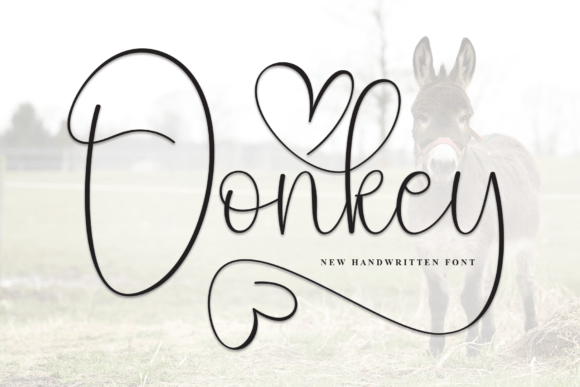
In a digital landscape saturated with rigid, geometric typefaces and uniform sans-serifs, there is a distinct hunger for something that feels human. We are looking for warmth, imperfection, and a touch of soul in our designs. This is where Donkey steps onto the stage. It is not just another script font; it is a modern and charming handwritten style that captures the effortless elegance of casual script. With its fluid, cohesive strokes and friendly appearance, it has quickly become a favorite for designers seeking to add a personal, approachable touch to any creative project.
The name might suggest something rugged or rustic, but the visual reality of Donkey is far more sophisticated. It bridges the gap between a quick note scribbled on a napkin and a polished piece of calligraphy. Whether you are launching a boutique brand, designing heartfelt invitations, or curating a personal blog, understanding the unique capabilities of this typeface can transform your visual communication.
The Art of Effortless Elegance
What sets Donkey apart from other script fonts is its inherent lack of pretension. Many handwritten styles struggle to balance legibility with style, often becoming too ornate to read or too stiff to feel authentic. Donkey avoids these pitfalls by embracing a natural flow. The strokes are fluid, mimicking the movement of a pen gliding across paper without the resistance of ink pooling or the hesitation of a shaky hand.
This "effortless" quality is crucial for modern branding. Consumers today are savvy; they can spot a forced attempt at personality from a mile away. When a brand uses a font that looks like it was carefully crafted by a professional calligrapher, it can create distance. However, when a brand uses Donkey, it feels like the business owner sat down with a cup of coffee and wrote a note directly to the customer. It creates an immediate sense of trust and intimacy.
The cohesive nature of the letters ensures that words don't look disjointed. Each character connects to the next with a rhythm that guides the eye smoothly across the line. This makes it ideal for headlines, logos, and short text blocks where impact is needed without sacrificing readability.
A Versatile Tool for Diverse Industries
One of the most common misconceptions about handwritten fonts is that they are limited to niche markets like wedding planning or artisanal bakeries. While those are certainly perfect use cases, the versatility of Donkey extends much further into contemporary workflows and industries.
- Boutique Branding: For small businesses that rely on storytelling, such as independent clothing lines, craft breweries, or local bookstores, Donkey serves as a powerful differentiator. It allows these brands to stand out against corporate giants using standard system fonts.
- Personal Blogs and Content Creation: In the world of content marketing, voice is everything. A blog post header set in Donkey immediately signals a conversational tone. It invites the reader to linger, suggesting that the content within will be as warm and engaging as the typography itself.
- Event Design: From wedding invitations to anniversary parties, the friendly appearance of this font adds a layer of celebration. It feels celebratory yet intimate, perfect for conveying the importance of a moment without being overly formal.
- Social Media Graphics: In the fast-scrolling environment of Instagram and Pinterest, images with handwritten elements stop the scroll. Donkey provides that organic texture that flat design often lacks, making promotional graphics feel more curated and less algorithmic.
Practical Considerations for Implementation
While the aesthetic appeal of Donkey is undeniable, adopting any new typeface requires a practical approach. To get the most out of this font, designers need to understand how to pair it and where to place it within a layout. The goal is to enhance the message, not overpower it.
Pairing Strategies
The greatest strength of Donkey lies in its contrast. Because it is so expressive, it pairs exceptionally well with clean, neutral body text. A classic combination involves using Donkey for headlines and subheadings, while relying on a simple sans-serif or a highly readable serif for the main paragraph text. This creates a visual hierarchy that is easy to navigate. The handwritten element grabs attention, while the structured body text ensures the information is consumed clearly.
Weight and Spacing
When working with fluid scripts, kerning (the space between individual characters) becomes critical. Unlike block letters, script fonts have varying distances between strokes. Donkey is designed with these connections in mind, but adjusting the tracking slightly can make a massive difference in large display sizes. If the text feels too tight, it may appear cluttered; if too loose, the connection between letters breaks, and the "handwritten" illusion fades. Always test your text at the actual size it will be viewed.
Limited Use for Maximum Impact
A common mistake with charming fonts is overuse. Using Donkey for long paragraphs of text can lead to reader fatigue. The brain has to work harder to decode the variable shapes of script letters compared to standard type. Save the charm for the moments that matter: quotes, titles, labels, and calls to action. Let the elegance shine where it counts.
Real-World Scenarios and Recommendations
To truly appreciate the utility of Donkey, consider a few specific scenarios where it shines.
Imagine a coffee shop launching a new seasonal blend. Instead of a sterile, corporate flyer, the owner uses Donkey to write the name of the coffee on the menu board. Suddenly, the product feels artisanal and special. The font tells a story of care and craftsmanship before the customer even takes a sip.
Consider a freelance graphic designer creating a portfolio website. By using Donkey in their signature or project titles, they subtly communicate their own creativity and attention to detail. It acts as a visual resume, proving that they understand the nuances of typography and design psychology.
For event planners, the stakes are high regarding first impressions. An invitation suite featuring Donkey sets the tone for the entire event. It suggests a gathering that is relaxed yet significant, welcoming guests into an experience rather than just a location.
Why Modern Creatives Are Choosing Donkey
The shift toward Donkey reflects a broader cultural movement. We are moving away from the hyper-polished, mass-produced look of the early 2000s and embracing a style that values authenticity. People want to connect with real people, and real people make mistakes. They write with variation. They have rhythm. Donkey captures that humanity perfectly.
It is also worth noting the technical robustness of modern script fonts. Unlike older, bitmap-based handwriting fonts that looked pixelated on high-resolution screens, Donkey is built with vector precision. This means it scales beautifully from a tiny mobile notification icon to a massive billboard, maintaining its crisp edges and smooth curves regardless of the output device.
Furthermore, the accessibility of this font has lowered the barrier to entry for non-designers. With user-friendly interfaces and intuitive pairing tools, anyone can achieve a professional look without needing years of training in typography. This democratization of design allows small creators to compete visually with established corporations.
Making the Right Choice for Your Project
Before downloading and installing Donkey, take a moment to evaluate your project goals. Ask yourself: Does this project require a personal touch? Is the audience responsive to emotional cues? Do I need to break up the monotony of standard text?
If the answer is yes, then Donkey is likely an excellent addition to your toolkit. It offers a balance of style and function that is rare in the font market. It is not trying to be something it isn't; it is simply a beautiful, usable script that respects the viewer's time while delighting their eyes.
In conclusion, whether you are crafting a heartfelt invitation, building a boutique brand identity, or simply sprucing up a personal blog, Donkey provides the perfect vehicle for your message. Its fluid strokes and friendly demeanor ensure that your content doesn't just sit on a screen—it resonates with the reader. In a world of noise, sometimes the most effective way to be heard is to sound like a friend speaking directly to you.