Understanding Roman Fiction: A Comprehensive Guide to Its Design and Application
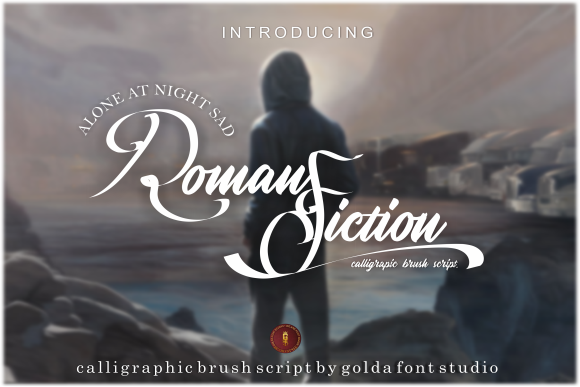
In the vast landscape of typography, finding a typeface that bridges the gap between historical reverence and modern functionality is a rare feat. Roman Fiction stands out as a distinct solution for designers seeking an elegant script font with a contemporary atmosphere. Unlike many decorative scripts that prioritize flourish over legibility, this typeface offers impeccable form, designed specifically to enhance the beauty of professional projects without sacrificing readability.
The essence of Roman Fiction lies in its balanced weight. It avoids the extremes of being too thin or too thick, striking a middle ground that ensures visibility across various media while maintaining the organic feel of hand-lettered calligraphy. This equilibrium makes it a versatile tool for anyone looking to elevate their visual communication, whether for digital interfaces, print collateral, or branding initiatives.
The Anatomy of Distinction: What Makes Roman Fiction Unique
When evaluating Roman Fiction, one must look beyond simple aesthetics to understand its structural philosophy. The font draws inspiration from timeless classic calligraphy but reinterprets these elements through a modern lens. This results in a character set that feels familiar yet fresh. The strokes are varied enough to suggest human touch, avoiding the robotic uniformity often found in standard serif fonts, yet they remain disciplined enough to convey authority and trust.
A critical feature that sets this typeface apart is its PUA encoding. For those unfamiliar with the technical side of font management, PUA stands for Private Use Area. This encoding method allows the font designer to include a comprehensive library of glyphs, swashes, and alternate characters directly within the font file. In practical terms, this means users can access a wide array of stylistic options with ease, without needing to install multiple separate files or rely on third-party software to generate complex ligatures.
- Immediate Access: All specialized characters are built-in, streamlining the workflow for busy designers.
- Consistency: Because the glyphs are native to the font family, the spacing and stroke weight remain consistent even when using elaborate swashes.
- Versatility: The ability to toggle between standard forms and ornate variations allows for dynamic text treatments within a single document.
This technical advantage translates into creative freedom. Designers can experiment with different levels of ornamentation, from subtle accents to full-blown decorative headers, ensuring that the final output matches the intended tone of the project perfectly.
Evaluating Fit: Comparison with Script Categories
To make an informed decision about whether Roman Fiction is the right choice for your next project, it is helpful to compare it against other common typographic categories. Scripts are generally divided into formal, casual, and display styles, each serving a specific purpose.
Formal vs. Contemporary Scripts
Traditional formal scripts often mimic the intricate penmanship of the 18th or 19th centuries. While beautiful, these fonts can sometimes appear dated or overly rigid when applied to modern digital contexts. They often require significant kerning adjustments and may struggle to maintain legibility at smaller sizes. Roman Fiction, by contrast, adopts a contemporary atmosphere. It retains the elegance of formal calligraphy but simplifies the connections between letters to ensure smoother reading experiences on screens and mobile devices.
Casual scripts, which often resemble quick handwriting or marker strokes, offer high energy but can lack the sophistication required for premium branding or editorial design. These fonts are excellent for invitations or social media graphics but may undermine the credibility of a corporate report or a luxury product page. Roman Fiction occupies a unique niche here; it possesses the energy of a casual script but maintains the structural integrity and polish of a formal typeface.
Decorative Fonts vs. Functional Scripts
Many decorative fonts prioritize novelty over function. They are designed to grab attention immediately, often at the expense of usability. When used for body text or longer passages, these fonts can cause eye strain and disrupt the reading flow. The balanced nature of Roman Fiction addresses this tradeoff. Its weights are calibrated to be "not too thin and not too thick," making it suitable for both large headlines and moderately sized body copy where a script style is desired.
This functional approach distinguishes it from purely aesthetic tools. While a purely decorative font might be limited to short slogans, Roman Fiction can be integrated more broadly into a design system. The variety in its letterforms prevents monotony, allowing designers to create rhythm and interest without overwhelming the viewer.
Decision Factors: Strengths and Tradeoffs
Selecting a typeface is rarely about finding a perfect font; it is about finding the best fit for a specific context. Understanding the strengths and limitations of Roman Fiction will help you determine if it aligns with your project goals.
Primary Strengths
The most significant strength of this typeface is its adaptability. The combination of classical inspiration and modern execution allows it to work well in diverse scenarios. From wedding invitations and boutique packaging to website hero sections and editorial layouts, Roman Fiction brings a sense of refined taste. The PUA encoding further enhances its value by providing a robust toolkit for customization, enabling designers to create unique brand identities without compromising on technical performance.
Additionally, the font's balanced weight contributes to excellent screen rendering. Many script fonts suffer from pixelation or loss of detail on lower-resolution displays. By avoiding extreme thinness, Roman Fiction maintains clarity on smartphones and tablets, ensuring that the message remains accessible to all users regardless of their device.
Limitations and Considerations
Despite its versatility, there are situations where Roman Fiction may not be the optimal choice. As a script font, it inherently carries a higher level of visual noise than sans-serif or slab-serif alternatives. Consequently, it is generally unsuitable for dense blocks of text, such as legal documents, technical manuals, or news articles where rapid information consumption is key. In these cases, a more neutral typeface would serve the user better.
Furthermore, while the PUA encoding offers extensive glyphs, it requires proper font support in the software being used. Most modern design applications handle this seamlessly, but older systems or web browsers with limited font capabilities might not render the special swashes correctly. Designers should always test their implementation across target platforms to ensure consistency.
Practical Applications and Best-Fit Scenarios
Knowing when to use Roman Fiction is just as important as knowing how to use it. Here are realistic examples of how this font excels in specific environments.
Branding and Identity: For businesses aiming to project an image of heritage, craftsmanship, or luxury, Roman Fiction is an excellent primary logo element. The impeccable form suggests quality, while the contemporary feel ensures the brand does not appear stuck in the past. Think of artisanal food brands, high-end fashion labels, or bespoke consulting firms.
Editorial Design: In magazine layouts or book covers, this font can be used effectively for drop caps, pull quotes, or section headers. The varied letterforms add visual interest to the page, guiding the reader's eye through the content. However, it should be paired with a highly legible sans-serif for the main body text to maintain balance.
Digital Marketing: Email newsletters and landing pages benefit from the personal touch of a script font. Using Roman Fiction for subject lines or call-to-action buttons can increase engagement by adding a human element to the communication. The PUA encoded swashes allow for subtle animations or hover effects that draw attention without being distracting.
Conclusion: Making the Right Choice
The decision to incorporate Roman Fiction into a design project should be driven by the specific needs of the audience and the message being conveyed. If the goal is to evoke elegance, history, and a touch of modern sophistication, this font offers a compelling solution. Its balanced weight and extensive glyph set provide the flexibility needed for a wide range of applications.
However, it is essential to remember that no single font is a universal remedy. If the priority is maximum data density or absolute neutrality, a different typeface family will likely be more effective. By carefully weighing the tradeoffs between aesthetic appeal and functional utility, designers can leverage the unique qualities of Roman Fiction to create impactful, memorable visual experiences.
Ultimately, the success of any typography choice lies in its integration. When used thoughtfully alongside complementary fonts and design elements, Roman Fiction serves as a powerful tool for enhancing the overall narrative of a project, proving that timeless calligraphy can indeed thrive in a contemporary world.