Salita: The Elegant Handwritten Script for Modern Creators
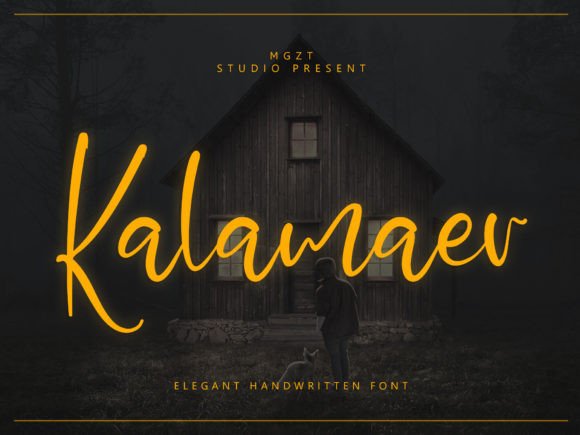
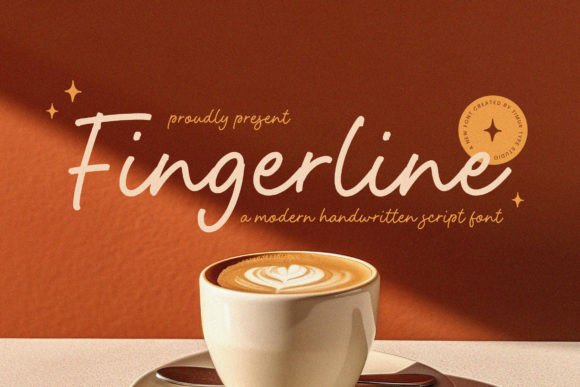
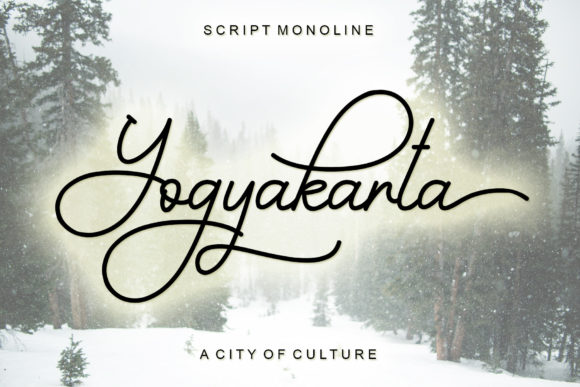
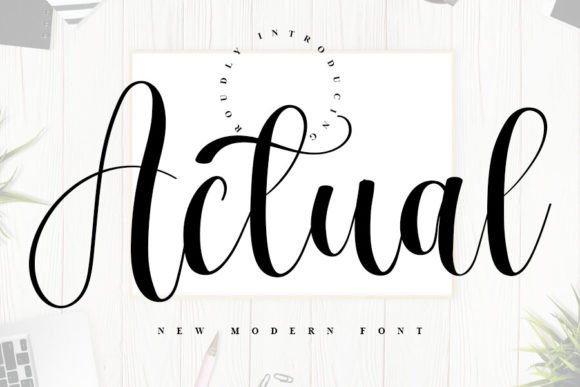
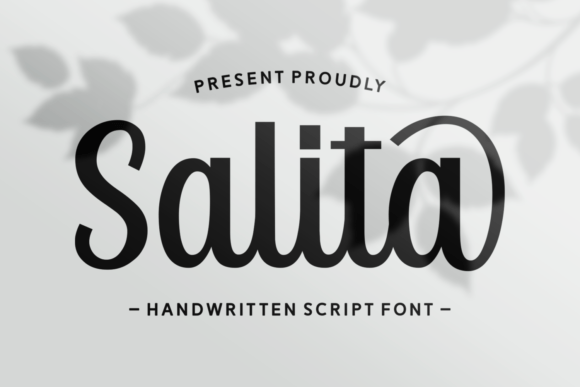
In a digital landscape saturated with rigid, uniform typefaces, finding a voice that feels authentically human is increasingly difficult. Salita offers a compelling solution by bridging the gap between professional polish and personal expression. This beautiful handwritten script font exudes elegance and sophistication with its flowing, cursive letterforms, designed specifically to mimic the natural and fluid strokes of a pen.
When you select Salita for your next project, you are not merely choosing a style; you are inviting a sense of artistry into your communication. Whether you are a small business owner crafting a brand identity or a blogger looking to add warmth to your posts, this typeface brings a personal touch that standard sans-serifs often lack. Its ability to transform text from a mere vehicle of information into an aesthetic experience makes it ideal for a wide range of creative applications.
Bridging the Gap Between Professionalism and Warmth
One of the most significant challenges designers and marketers face today is maintaining authority while appearing approachable. Corporate branding often leans heavily on geometric sans-serif fonts to convey stability, but this can sometimes result in a cold, impersonal feel. Salita solves this dilemma by introducing organic movement without sacrificing readability.
The flowing nature of the cursive letterforms allows for a visual rhythm that guides the eye naturally across the page. This is particularly valuable for professionals who need to convey trust and empathy. For instance, a financial advisor might use Salita for their newsletter header to soften the perceived rigidity of monetary topics, making complex advice feel more accessible to clients. Similarly, educators can utilize the font to make learning materials feel less like textbooks and more like handwritten notes from a mentor, fostering a deeper connection with students.
By mimicking the natural strokes of a pen, Salita retains the imperfections that make handwriting unique. These subtle variations prevent the design from feeling mass-produced, a quality that is highly prized in today's market where consumers crave authenticity over perfection.
Enhancing Brand Identity Through Personality
For entrepreneurs and freelancers, a logo or brand mark is often the first interaction a potential client has with a business. Using a standard font here can cause a brand to blend into the background. Salita provides a distinct character that helps businesses stand out immediately.
- Luxury Brands: High-end boutiques and jewelry stores often rely on script fonts to signal exclusivity. Salita's elegant curves suggest a premium product without needing expensive imagery.
- Creative Agencies: Designers and photographers can use Salita in portfolios to showcase their artistic sensibility directly through typography.
- Lifestyle Bloggers: Writers focusing on travel, food, or wellness can inject a diary-like intimacy into their headlines, encouraging readers to stay engaged longer.
However, it is important to note that Salita is not a one-size-fits-all solution. While it excels in headers, logos, and short phrases, using it for long blocks of body text can reduce readability due to the complexity of connecting letters. The key lies in strategic application: use Salita to grab attention and set the tone, then pair it with a clean, neutral font for detailed information.
Simplifying Creative Decisions for Busy Professionals
Many creators spend hours debating which font will best represent their vision. Salita simplifies this decision-making process by offering a versatile aesthetic that fits numerous contexts. Because it was designed to look like genuine handwriting, it requires less stylistic justification than more decorative or novelty scripts.
Consider a publisher working on a cookbook. They need a font that looks appetizing and inviting. A blocky, industrial font would clash with the subject matter. Salita, with its fluid strokes, evokes the feeling of a recipe written in a grandmother's kitchen. This immediate emotional resonance saves time on graphic design iterations, allowing the creator to focus on content rather than tweaking kerning or spacing.
Similarly, event planners organizing weddings or corporate galas often struggle to find typography that balances formality with celebration. Salita strikes this balance effectively. It is sophisticated enough for a black-tie invitation yet warm enough for a casual summer gathering. By selecting a font that inherently carries these dual qualities, professionals can streamline their workflow and present cohesive designs to clients with confidence.
Supporting Goals Through Visual Storytelling
Effective communication is about more than just conveying facts; it is about telling a story. Salita supports this goal by adding a layer of narrative depth to static text. When a reader sees text that resembles a hand-written note, they subconsciously associate it with care, effort, and individual attention.
This psychological effect is powerful for marketers aiming to increase engagement rates. A call-to-action button or a headline written in Salita feels like a personal recommendation rather than a sales pitch. In the context of email marketing, for example, a subject line featuring this script can significantly improve open rates by piquing curiosity and suggesting a personalized message inside.
Educators can also leverage this storytelling aspect. When creating certificates, awards, or special announcements, Salita elevates the document from a standard template to a cherished keepsake. The visual weight of the script suggests that the achievement being recognized is significant and memorable.
Practical Considerations and Strategic Fit
While Salita is a powerful tool, understanding its limitations is crucial for achieving the best results. Not every project requires a handwritten aesthetic, and misusing a script font can lead to cluttered or illegible designs. It is essential to compare options and ensure the font aligns with the specific goals of the project.
For users working on technical documentation, data-heavy reports, or accessibility-focused websites, Salita may not be the appropriate choice. In these scenarios, clarity and speed of reading are paramount, and the decorative nature of a script can become a barrier. Instead, Salita should be reserved for "hero" elements—headlines, pull quotes, signatures, and decorative accents—where its artistic value shines brightest.
Additionally, compatibility with other typefaces is a vital consideration. Because Salita is so expressive, it pairs best with simple, understated fonts. A classic serif or a clean sans-serif creates a harmonious contrast that allows the script to take center stage without competing for attention. Mixing Salita with another ornate font often results in visual chaos, undermining the elegance that defines the typeface.
Ultimately, the success of using Salita depends on the intent behind the design. If the goal is to communicate efficiency and speed, a different typeface might serve better. But if the objective is to evoke emotion, establish a personal connection, or highlight creativity, Salita stands out as a superior option. Its ability to mimic the fluidity of a pen stroke ensures that even in a digital format, the final output retains the soul of human craftsmanship.
By integrating Salita thoughtfully into your workflow, you empower yourself to create work that resonates on a deeper level. Whether you are designing a wedding invitation, branding a new startup, or simply enhancing a blog post, this font provides the elegance and sophistication needed to elevate your message above the noise of the digital world.