Michael Fosteria: A Script Font for Modern Brand Identity
In a digital landscape saturated with uniform sans-serifs and rigid geometric typefaces, finding a font that balances human touch with professional polish is a significant challenge. Michael Fosteria emerges as a compelling solution for designers and brand strategists seeking to inject personality without sacrificing readability. This handwriting-style script is not merely a decorative element; it is a functional asset designed to convey urban sophistication and charm in a variety of high-stakes environments.
The core appeal of Michael Fosteria lies in its ability to mimic the confidence of a practiced hand while maintaining the structural integrity required for commercial applications. Unlike many display scripts that prioritize artistic flair over legibility, this typeface offers flowing strokes that guide the eye naturally. It is engineered to work seamlessly in branding, editorial layouts, and invitation design, bridging the gap between contemporary minimalism and artisanal warmth.
Defining the Character of Michael Fosteria
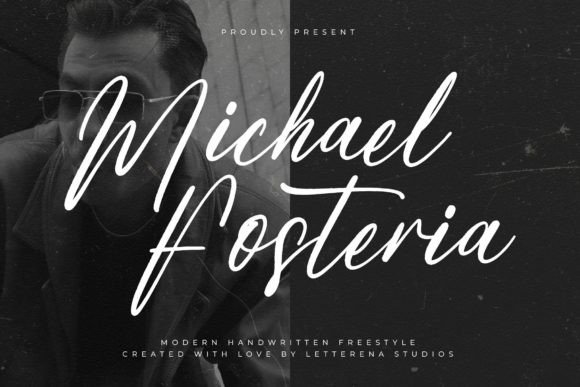
When evaluating a typeface like Michael Fosteria, the first consideration is its visual DNA. The font is characterized by its dynamic flow and confident stroke variation. These are not static lines but rather strokes that imply movement, suggesting a writer who is both skilled and relaxed. The letterforms possess a distinct "urban" quality, avoiding the overly formal or Victorian aesthetics often found in traditional calligraphy fonts.
This contemporary twist is crucial for modern audiences. The font avoids looking dated by incorporating subtle irregularities that feel organic rather than forced. The terminals (the ends of strokes) are tapered yet clean, ensuring that even at smaller sizes, the text remains crisp. For professionals who need to communicate elegance without appearing stiff, Michael Fosteria provides a versatile toolkit. It captures the essence of a personal note while retaining the scalability needed for large-format signage or mobile interfaces.
The versatility of the design extends to its weight distribution. The balanced contrast between thick downstrokes and thin upstrokes creates a rhythm that is visually engaging. This characteristic makes it particularly effective for headlines and key messaging where attention must be captured immediately. However, the font's strength is not limited to display use; its internal spacing and x-height allow it to function effectively in body copy contexts where a handwritten aesthetic is desired.
Practical Applications in Professional Design
Understanding the theoretical qualities of a font is one thing, but applying it to real-world projects requires a deeper analysis of its utility. Michael Fosteria excels in scenarios where establishing an emotional connection is paramount. Consider the following practical applications:
- Branding and Logos: For startups and small businesses aiming to project a boutique or artisanal image, Michael Fosteria can serve as a primary logotype. Its unique character helps brands stand out in crowded marketplaces, signaling that the company values craftsmanship and individuality.
- Editorial and Publishing: In magazine layouts or blog headers, the font adds a layer of narrative depth. It suggests that the content is curated with care, inviting readers into a more intimate conversation with the author.
- Event Invitations: Weddings, galas, and exclusive corporate events often require typography that feels special. Michael Fosteria brings a sense of occasion and formality that is softened by its friendly, approachable nature.
- Product Packaging: For food and beverage products, particularly those marketed as handmade or premium, the font can enhance shelf appeal by conveying authenticity.
The effectiveness of Michael Fosteria in these contexts stems from its ability to humanize a brand. In an era where consumers are increasingly skeptical of mass-produced content, a font that looks like it was written by a person can significantly boost trust and engagement.
Evaluating Usability and Technical Performance
From a technical standpoint, the reliability of a font is just as important as its aesthetic appeal. Michael Fosteria demonstrates strong performance across different mediums. The kerning (spacing between letters) is generally well-balanced, preventing the awkward gaps or collisions that often plague script fonts. This consistency ensures that the text flows smoothly, whether it is set on a single line or wrapped around complex shapes.
However, like any script typeface, there are limitations to consider regarding legibility. While Michael Fosteria is designed for clarity, its cursive connections mean that it may not be suitable for long blocks of text, such as terms and conditions or dense instructional manuals. In these cases, it should be paired with a highly readable serif or sans-serif font to maintain accessibility. The best practice is to use Michael Fosteria for emphasis, titles, and short phrases, allowing it to shine as a focal point rather than a background texture.
Another critical factor is file compatibility and web performance. For digital implementations, the font needs to render correctly across various browsers and devices. Michael Fosteria is typically optimized for web embedding, ensuring that the intended style is preserved regardless of the user's operating system. This reliability is essential for marketers and developers who cannot afford inconsistencies in their visual output.
Strategic Pairing for Maximum Impact
To fully leverage the potential of Michael Fosteria, strategic pairing is essential. Because the font is so expressive, it pairs best with neutral, understated typefaces that do not compete for attention. A clean, geometric sans-serif works exceptionally well as a counterpoint, grounding the fluidity of the script with stability.
For example, using Michael Fosteria for a headline followed by a simple sans-serif for the subhead creates a hierarchy that is easy to scan. This combination allows the designer to communicate complex information while maintaining a stylish tone. The contrast between the two styles highlights the strengths of each: the script provides the emotion, while the supporting font provides the structure.
Designers should also consider color and texture when integrating Michael Fosteria. The font performs particularly well with textures that suggest paper, ink, or fabric, enhancing its artisanal vibe. Conversely, using it against a stark, high-contrast background can create a bold, graphic statement that appeals to younger demographics.
Who Benefits Most from This Typeface?
The decision to adopt Michael Fosteria depends largely on the goals of the project and the identity of the target audience. It is not a universal solution, but for specific groups, it represents a powerful tool.
- Freelancers and Creatives: Individuals selling their services, such as photographers, stylists, or consultants, can use this font to differentiate their portfolios. It signals creativity and attention to detail, traits that are highly valued in the creative industry.
- Small Business Owners: Entrepreneurs building a local business, such as a coffee shop, boutique, or consultancy, will find value in the font's ability to foster a sense of community and personal connection.
- Educators and Content Creators: Bloggers and educators who wish to present information in a more engaging, less academic format can utilize the font to make their content feel more accessible and relatable.
- Marketers and Advertisers: Campaigns focused on storytelling or emotional resonance benefit from the unique character of Michael Fosteria. It helps cut through the noise of standard advertising templates.
Conversely, industries requiring strict adherence to regulatory standards or those targeting ultra-conservative audiences might find the font too informal. Legal firms, financial institutions, or medical organizations may prefer a more traditional typeface to project authority and neutrality.
Long-Term Value and Conclusion
The longevity of a design asset is a key consideration for professionals investing time and resources. Michael Fosteria offers enduring value because it taps into a timeless desire for human connection within design. Trends come and go, but the appeal of a genuine, handwritten style remains consistent. As long as brands seek to stand out through personality rather than conformity, fonts like Michael Fosteria will remain relevant.
Ultimately, Michael Fosteria is more than just a collection of glyphs; it is a strategic choice for anyone looking to elevate their visual communication. Its blend of urban sophistication and charming imperfection makes it a standout option for invitations, branding, and editorial work. By understanding its strengths and respecting its limitations, designers can integrate it effectively into their workflows, creating projects that resonate deeply with their audiences.
For those willing to experiment with type as a voice, Michael Fosteria provides a reliable and expressive medium. It invites users to step away from the generic and embrace a design language that feels authentic, crafted, and distinctly human.