Audiography: The Handwritten Font That Elevates Your Creative Projects
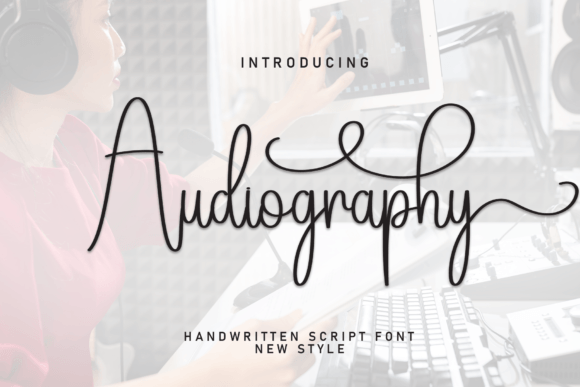
In a digital landscape saturated with rigid, uniform typefaces, finding a font that feels genuinely human can be a challenge. This is where Audiography steps in as a modern and charming handwritten font that captures the effortless elegance of casual script. With its fluid, cohesive strokes and friendly appearance, it has become a go-to choice for those looking to add warmth to their designs. Whether you are creating personal blogs, heartfelt invitations, or boutique branding, Audiography adds a personal, approachable touch to any creative project.
However, just because a font looks beautiful on a screen does not guarantee it will perform well in your final output. Many designers and entrepreneurs jump into using script fonts without considering the nuances of legibility, licensing, and context. To help you avoid common pitfalls, we need to look beyond the initial aesthetic appeal and understand how to integrate this tool effectively.
Understanding the Appeal and the Reality
Audiography is more than just a decorative element; it is a communication tool. Its primary strength lies in its ability to mimic the natural flow of handwriting without sacrificing readability. When used correctly, it transforms a sterile corporate document into something inviting and relatable. For small business owners and freelancers, this distinction is crucial. It allows you to build an emotional connection with your audience instantly.
Yet, the very qualities that make it charming—its fluidity and casual nature—are often misunderstood. Beginners frequently assume that because a font looks like handwriting, it should be used for everything from headlines to body text. This is a critical error. While Audiography excels at setting a tone, overusing it can lead to visual fatigue and confusion.
- The Mistake: Using the font for long paragraphs of text.
- The Consequence: Reduced readability and a cluttered appearance that forces readers to work harder to decode your message.
- The Better Approach: Reserve Audiography for headlines, pull quotes, logos, and short captions. Use a clean sans-serif or serif font for the bulk of your content to maintain balance.
Licensing and Usage Rights You Must Check
One of the most overlooked details when downloading fonts is the license agreement. Many users download a free version of Audiography for a personal blog post but later decide to use it on a client's website or a product label. Without verifying the specific terms, you risk legal complications and financial penalties.
Always check if the license covers commercial use. Some versions allow you to use the font for social media graphics but prohibit its use in print materials or merchandise. Before you commit to a project, ensure you have purchased the correct license tier. Ignoring this step can turn a cost-saving measure into a costly mistake, potentially forcing you to redesign entire branding packages after launch.
Pitfalls in Application and Design
Even with the correct license, applying Audiography requires a strategic eye. The goal is to enhance your message, not obscure it. A common misconception is that script fonts automatically look "expensive" or "elegant." In reality, poor kerning (spacing between letters) and low contrast can make them look messy and unprofessional.
When selecting colors for Audiography, avoid placing it against busy backgrounds. The fluid strokes of the letters need breathing room to stand out. If you pair it with a complex image or a patterned background, the text will disappear, defeating the purpose of adding a personal touch.
- Contrast Issues: Using light gray text on white paper makes the delicate strokes invisible. Stick to high-contrast combinations, such as deep charcoal on cream or navy on white.
- Kerning Neglect: Script fonts often require manual adjustment of spacing. Default settings might leave letters too close together, causing them to merge visually. Always inspect your text at full size before publishing.
- Mixing Too Many Styles: Combining Audiography with other elaborate scripts creates a chaotic visual hierarchy. Pair it with a neutral, geometric font to let the script shine as the focal point.
Evaluating Performance Across Devices
For marketers and web developers, the technical performance of a font is paramount. Audiography is designed to look great, but if it fails to load properly on mobile devices, your user experience suffers. Some custom font files are large and can slow down page load times, which negatively impacts SEO rankings and user retention.
To avoid this, ensure you are using optimized font formats like WOFF2. Test your design on various screen sizes. A headline that looks perfect on a desktop monitor might appear jagged or broken on a smartphone if the font file is not optimized. By prioritizing performance, you ensure that the charm of the font reaches every user, regardless of their device.
Practical Advice for Decision Makers
If you are considering incorporating Audiography into your workflow, start by defining your objective. Are you trying to evoke nostalgia? Create a sense of intimacy? Or simply differentiate your brand from competitors? Once you have a clear goal, test the font in real-world scenarios. Create a mock-up of a business card, an email newsletter, and a social media post.
Ask yourself these questions before making a decision:
- Does the font remain legible when scaled down?
- Does it complement my existing brand identity, or does it clash?
- Have I verified the licensing for all intended uses?
- Is the file size optimized for web delivery?
By taking these steps, you move from a place of guesswork to informed decision-making. This proactive approach saves time, money, and frustration in the long run.
Final Thoughts on Integration
Audiography is a powerful asset for anyone looking to inject personality into their work. Its modern and charming style bridges the gap between professional polish and personal warmth. However, success depends on restraint and attention to detail. Avoid the trap of overuse, respect the licensing agreements, and pay close attention to typography fundamentals like spacing and contrast.
When used wisely, this font becomes more than just a typeface; it becomes a voice. It speaks directly to your audience with a friendly, approachable tone that resonates deeply. Whether you are a blogger sharing life stories or a boutique owner showcasing unique products, Audiography offers the flexibility to tell your story with elegance and grace. Take the time to learn its nuances, and you will find that it elevates your projects far beyond what standard fonts can achieve.