Antique Collection: A Vintage Script for Distinctive Branding
In a digital landscape saturated with uniform sans-serif typefaces and predictable geometric forms, finding a voice that commands attention while maintaining elegance is a persistent challenge. Antique Collection offers a solution that bridges the gap between historical character and modern application. This is not merely another decorative font; it is a visual tool designed to inject a sense of heritage, craftsmanship, and artistic integrity into your projects.
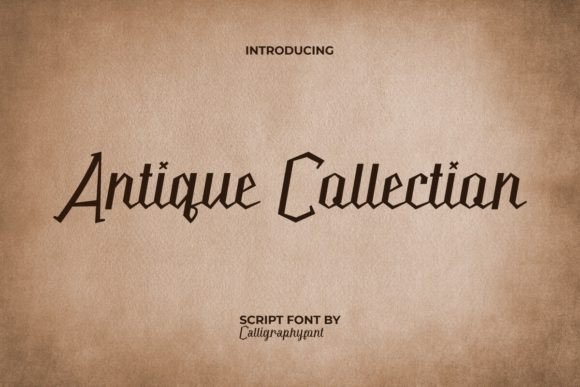
The defining characteristic of this typeface lies in its unique structural geometry. Unlike traditional scripts that flow with organic curves, Antique Collection features letters that form distinct hexagons. Each line is sharp and deliberate, creating a handwriting style that stands out immediately. This specific design choice gives the font an undeniable antique feel without sacrificing readability or legibility. For professionals seeking to elevate their work, understanding how to leverage these geometric nuances is key to unlocking the font's full potential.
Understanding the Visual Impact of Geometric Script
When you introduce Antique Collection into a design project, you are making a statement about quality and attention to detail. The hexagonal structure of the letters provides a stability that loose, flowing scripts often lack. This makes the text appear more grounded and authoritative, which is particularly valuable when dealing with premium products or established brands.
The sharpness of each line ensures that the font remains crisp even at smaller sizes or when reproduced on textured materials. In an era where screen printing and embossing require precise vector data, the clean edges of this vintage script prevent blurring or loss of definition. This technical reliability means you can focus on creativity rather than troubleshooting rendering issues. Whether you are designing a label for a small-batch artisanal product or a title for a high-end magazine cover, the font maintains its integrity across various mediums.
Why the Antique Aesthetic Matters Today
Consumers are increasingly drawn to authenticity. In a market flooded with mass-produced goods, items that evoke a sense of history and human touch tend to perform better. Antique Collection taps into this psychological response by offering a visual shorthand for "timeless" and "crafted." It suggests that the creator has taken the time to consider every detail, from the shape of the letter to the texture of the paper.
This aesthetic is not limited to literal antiques. Modern businesses use this font to signal a commitment to tradition, whether they are a boutique law firm emphasizing legacy, a craft brewery highlighting brewing methods, or a wedding stationery designer aiming for a romantic yet structured look. The versatility allows it to fit into diverse industries while retaining its core identity as a distinctive vintage script.
Practical Applications Across Creative Industries
The utility of Antique Collection extends far beyond simple decoration. Its unique appearance solves specific communication problems for designers, marketers, and entrepreneurs. By selecting the right typography, you can guide the viewer's eye and reinforce your message before a single word is read.
- Brand Logos: The hexagonal structure creates a memorable icon-like quality. When used in a logo, the font acts as a visual anchor, distinguishing the brand from competitors who rely on standard serif or sans-serif fonts.
- Packaging Design: On physical packaging, the sharp lines catch light differently than rounded fonts, adding depth to the design. This is crucial for shelf presence, where standing out among rows of similar products is essential.
- Invitations and Stationery: For events requiring a formal yet personal touch, this script strikes a balance. It conveys the warmth of handwritten notes but with the precision required for professional correspondence.
- Covers and Catalogs: Headers set in Antique Collection immediately establish a tone of sophistication. It draws the reader into the content, promising a curated experience within the pages.
- Screen Prints and Stickers: The bold, defined lines ensure that designs remain visible and impactful even when applied to irregular surfaces or printed on varied fabrics.
Consider a scenario where a small business owner needs to launch a new line of leather goods. Using a generic font might make the product look like any other commodity. However, applying Antique Collection to the labels and website headers suggests a story of craftsmanship. It tells the customer that these items were made with care, justifying a higher price point and fostering a deeper connection with the buyer.
Enhancing Digital Presence
While the font excels in print, its application in web design is equally powerful. Website headers and title sections benefit from the font's ability to command space. The sharp angles create a rhythm that guides the user through the page layout. When used for quotes or pull-quotes within blog posts, the text breaks up dense blocks of information, encouraging readers to pause and engage with the highlighted content.
However, effective web usage requires strategic implementation. Because the font is highly stylized, it should be reserved for headlines and short phrases rather than body text. Overusing it can lead to visual fatigue, where the unique hexagonal shapes become distracting rather than decorative. The goal is to use it as a spotlight, illuminating key messages without overwhelming the user interface.
Strategic Considerations for Implementation
Before integrating Antique Collection into your workflow, it is important to evaluate how it aligns with your specific goals. While the font is versatile, it is not a universal solution. Its strong personality means it works best when paired with simpler, neutral elements that allow the script to shine.
For instance, if you are designing a catalog for a technical manual, the vintage feel might clash with the need for clarity and neutrality. In such cases, a more functional typeface would be preferable. Conversely, for a creative agency portfolio or a lifestyle brand, the font's unique appearance is a significant asset. The key is to match the font's energy with the project's intent.
Another consideration is the medium of reproduction. While the sharp lines are generally robust, extremely fine details in complex layouts might get lost in low-resolution printing. Always test your designs at 100% scale before finalizing embossed designs or screen prints. This step ensures that the hexagonal structure remains distinct and does not merge unintentionally.
Maximizing Efficiency and Creativity
Using a specialized font like Antique Collection can streamline your creative process. Instead of spending hours customizing a standard font to achieve a vintage look, you start with a typeface that already embodies that aesthetic. This saves time and reduces the cognitive load on the designer, allowing them to focus on composition and color theory.
Furthermore, the font supports consistency across different platforms. Whether you are updating a social media graphic, printing a business card, or designing a website banner, the same file delivers a cohesive brand identity. This consistency builds trust with your audience, as they recognize the visual language regardless of where they encounter it.
Conclusion
Antique Collection represents more than just a font choice; it is a strategic decision to prioritize character and distinction in your visual communication. By leveraging its unique hexagonal structure and sharp lines, you can create designs that resonate with audiences seeking authenticity and quality. From brand logos to intricate packaging, the font offers a reliable way to stand out in a crowded marketplace.
Whether you are a seasoned graphic designer looking to expand your toolkit or a small business owner aiming to refine your brand image, this vintage script provides the tools necessary to tell a compelling story. By understanding its strengths and limitations, you can apply it effectively to enhance your projects, improve presentation, and support your overall creative goals.